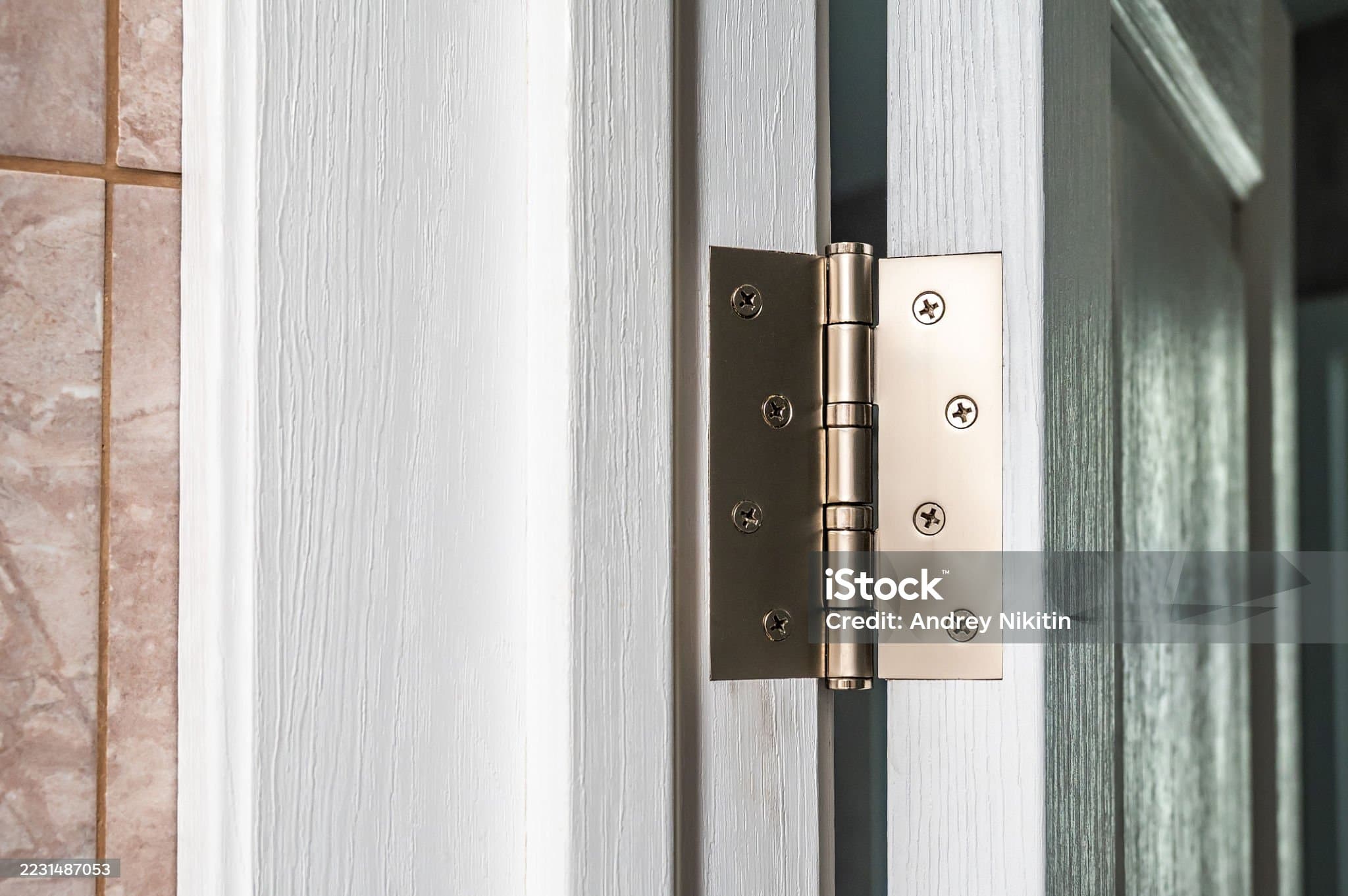
The UAE remains one of the most active hardware import markets in the world, driven by continuous construction activity across Dubai, Abu Dhabi, and the wider GCC. For hinge exporters and the importers who buy from them, three things determine whether a shipment clears smoothly and performs as expected on site: material specification, packaging, and documentation.
Material specification comes first. The UAE's coastal and desert climate is uniquely demanding on hardware — high humidity, salt-laden air along the coastline, and extreme temperature swings inland. Buyers should default to SS 316 or fully passivated stainless steel for any project within reach of the coast, and confirm hinges are rated for the temperature range they'll face if installed on exterior-facing doors. Many UAE developers and fit-out contractors also expect compliance with UAE building codes and reference BS EN 1935 as a quality baseline — confirm this with your supplier before finalizing an order rather than assuming it by default.
Packaging is the second major factor, and one first-time importers frequently underestimate. Sea freight to Jebel Ali (JAFZA) involves weeks in transit and container humidity that can vary significantly. Hinges should be shipped with anti-rust VCI (vapor corrosion inhibitor) paper or oil coating, individually bagged or boxed to prevent surface scratching in transit, and palletized or carton-packed to survive container loading and unloading without crushing. Ask your supplier explicitly what anti-corrosion packaging method they use for GCC shipments — this is a detail worth confirming in writing before production begins, not after the container has left port.
Documentation is where shipments most often get delayed. A complete export package to the UAE typically needs: a commercial invoice and packing list matching exactly (any discrepancy in weights or quantities triggers customs holds), a Certificate of Origin, a Bill of Lading (or Airway Bill for air freight), and — depending on the product category and importer's requirements — a conformity certificate or test report demonstrating the hinge grade and standard. Buyers should request these documents be prepared before the goods ship, not after, since last-minute paperwork is the single biggest cause of Jebel Ali port delays for first-time importers.
Finally, factor in realistic lead times. Standard production runs typically take 15–20 working days once an order is confirmed, plus roughly 12–16 days of sea transit from Indian ports to Jebel Ali. Importers planning a project timeline should build in this full window — plus a buffer for customs clearance — rather than assuming air-freight speed for a sea-freight order.
Our export team handles the full documentation package — commercial invoice, packing list, Certificate of Origin, and test reports — for every UAE shipment, and can advise on the right material grade for your specific project location before you place an order.
Our export team responds within 24 hours with pricing, samples, and technical guidance.
Request a Quote ›