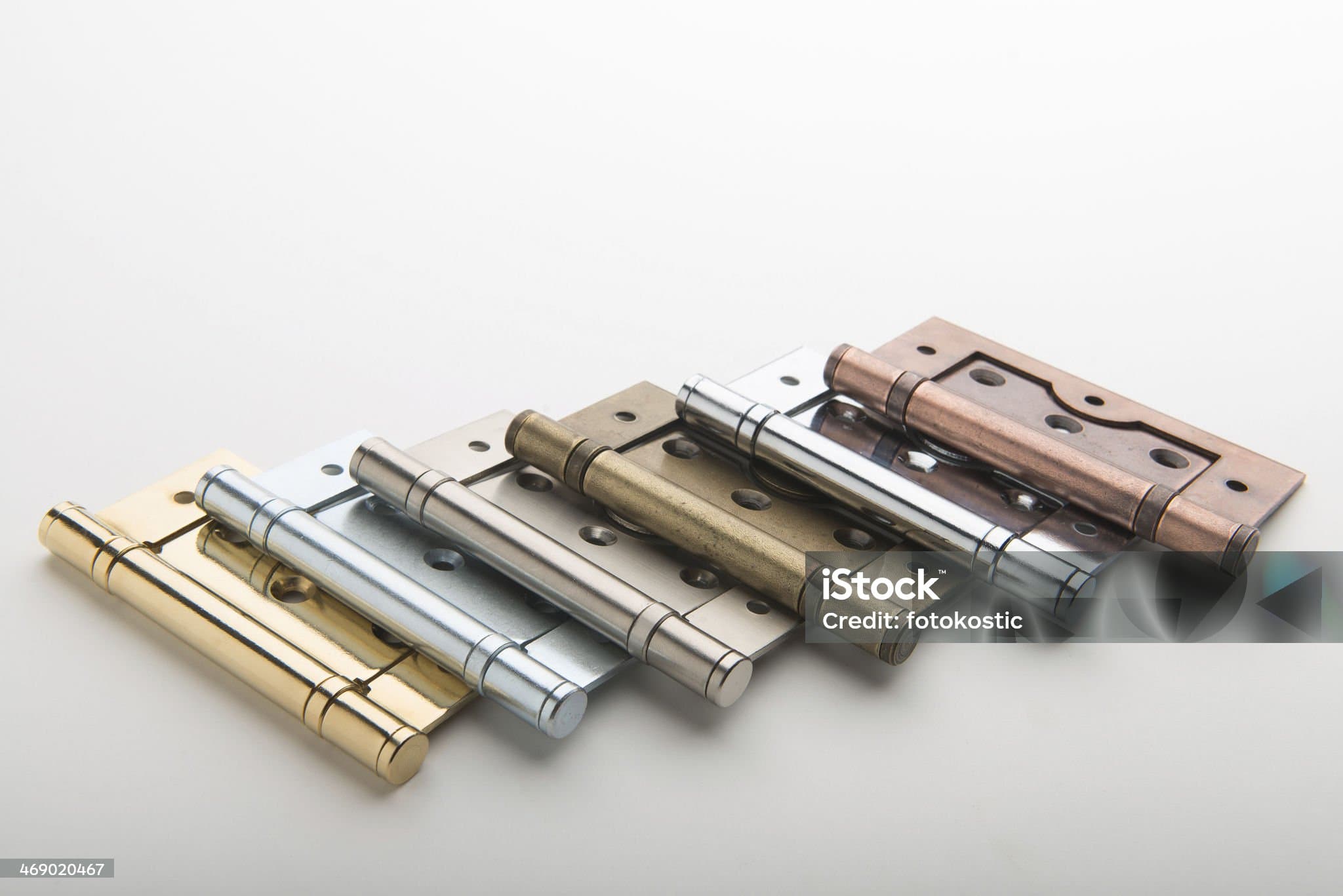
Concealed cabinet hinges — the hidden cup hinges behind nearly every modern kitchen door — look simple from the outside, but involve more manufacturing steps than almost any other hinge type. Understanding the process helps buyers evaluate why quality varies so much between suppliers.
It starts with the cup. The cup is cold-formed from cold-rolled steel or zinc die-cast in a multi-stage press that draws the metal into its cylindrical shape without cracking the grain structure — a process that requires precisely calibrated tooling, since even minor die wear produces cups with inconsistent wall thickness that don't seat cleanly in a pre-drilled cabinet door.
The arm mechanism — the part that provides the hinge's swing and, in soft-close models, houses the damper — is typically stamped and folded from spring steel, then heat-treated to hold its shape under thousands of open-close cycles. This is the component most responsible for a hinge feeling 'solid' versus 'flimsy' in use, and it's where cost-cutting in cheaper hinges is most noticeable: thinner gauge steel or incomplete heat treatment leads to arms that develop play and rattle within a year or two.
Soft-close functionality is added via a small hydraulic or pneumatic damper cartridge integrated into or clipped onto the arm. These cartridges are usually sourced as a specialized sub-component even by manufacturers who produce the rest of the hinge in-house, since damper cartridges require silicone-fluid-filled precision assembly that's a distinct manufacturing discipline from metal stamping.
After assembly, every hinge goes through a plating or coating stage — usually nickel or zinc plating for corrosion resistance, sometimes finished in matte black or chrome for visible-edge applications like glass cabinet doors. This is followed by an opening-angle and closing-force test on a sample from each production batch, confirming the hinge holds its rated 95°, 110°, 165°, or 175° opening angle and that the soft-close damper engages smoothly rather than slamming or sticking.
For buyers, the practical takeaway is that concealed hinge quality is very difficult to judge from a spec sheet alone — request a sample and physically test the open-close action and soft-close engagement before committing to a bulk order, since two hinges with identical stated specifications can feel completely different in daily use.
Our export team responds within 24 hours with pricing, samples, and technical guidance.
Request a Quote ›