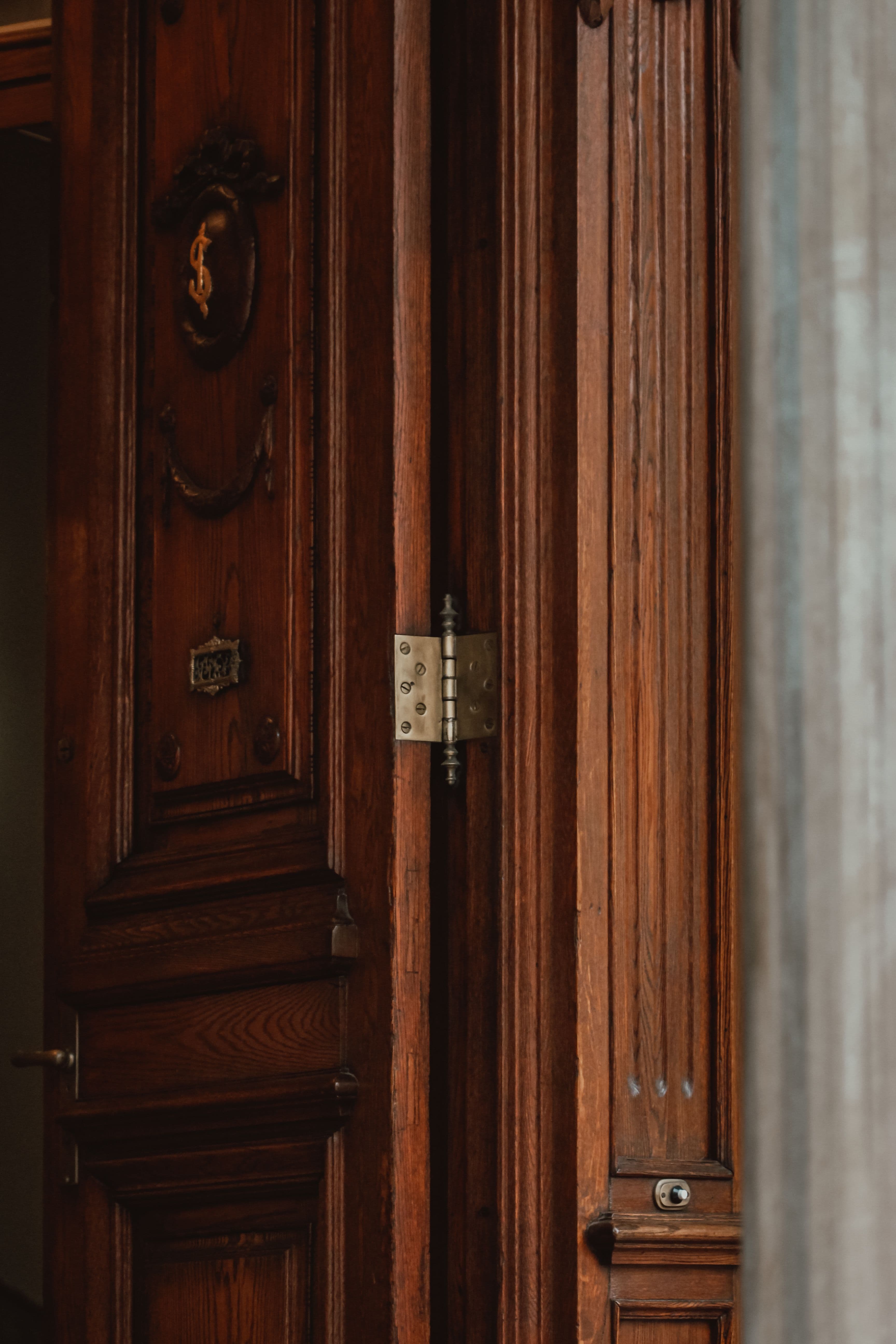
OEM and private-label hinge manufacturing lets importers and distributors sell hardware under their own brand, or source a hinge built to an exact custom specification that off-the-shelf products don't cover. It's a common path for furniture manufacturers, hardware distributors building a house brand, and buyers with a non-standard application. Here's what to expect the first time through the process.
Minimum order quantities (MOQs) exist because custom tooling and production setup carry a fixed cost regardless of order size. A typical MOQ for a custom hinge specification starts around 500 pieces per SKU — below that volume, the tooling and setup cost per unit becomes uneconomical for both the manufacturer and the buyer. If your volume is below this threshold, it's often more cost-effective to select the closest existing product and request private-label packaging only, rather than fully custom tooling.
Lead time for new tooling is longer than standard reorders. Where a repeat order of an existing product ships in roughly 15–20 working days, new OEM tooling — cutting dies, injection molds for zinc die-cast components, or custom stamping tools — typically adds 15–25 days to the first production run. Once the tooling exists, subsequent reorders return to standard lead times, so the upfront investment pays off on repeat business.
Drawings and samples are the two ways to specify an OEM product, and manufacturers can typically work from either. A dimensioned technical drawing is the most precise method and avoids ambiguity, but if a formal drawing isn't available, sending a physical sample of the desired hinge (even a competitor's product) allows a manufacturer to reverse-engineer the specification — though buyers should confirm in writing exactly which dimensions and materials will be matched, since a sample alone can leave finish or material grade ambiguous.
Private labeling covers more than just a logo. Buyers can specify custom packaging design, branded cartons, printed instruction cards, and even country-of-origin labeling requirements for their specific import market. It's worth deciding on packaging requirements at the same time as the product specification, since packaging tooling (custom box dies, printed film) has its own lead time that should run in parallel with product tooling rather than being added afterward.
Finally, ownership of tooling is worth clarifying upfront. Some manufacturers retain tooling as their own investment and amortize the cost into unit pricing; others allow the buyer to own the tooling outright (sometimes at a one-time tooling fee) which can be advantageous if the buyer wants an exclusive design a competitor can't easily replicate. Ask this question before production starts — it affects both pricing and your long-term flexibility to move the tooling to another supplier if needed.
We manufacture OEM and private-label hinges from both drawings and samples, with MOQs from 500 pieces per SKU and full test reports provided on request — reach out with your specification and we'll quote tooling cost, lead time, and per-unit pricing.
Our export team responds within 24 hours with pricing, samples, and technical guidance.
Request a Quote ›